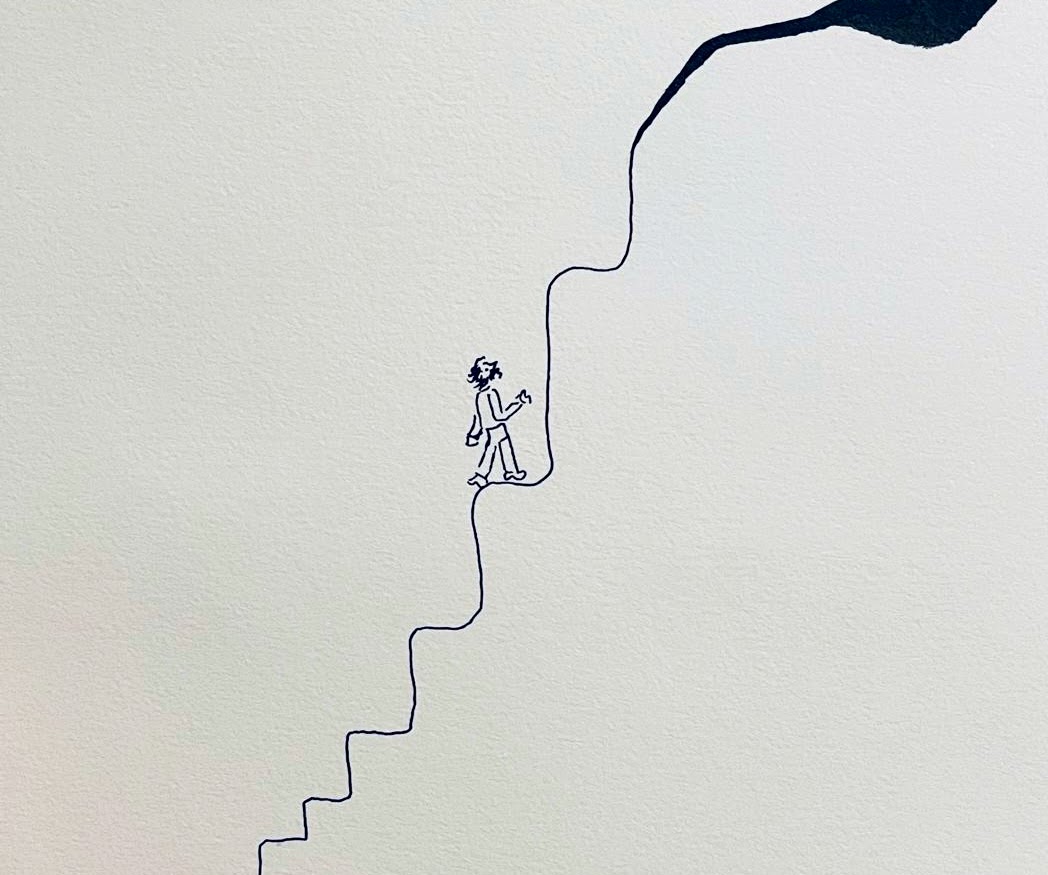
I’ve been in this game for almost two decades — from debugging pre-silicon firmware with an oscilloscope in hand, to leading 40+ engineers across organizations to deliver production silicon. I’ve shipped chips, built secure boot flows, led zero-to-one projects, and steered open-source hardware like OpenTitan into Google’s data center infrastructure.
But if I’m being honest, leadership can feel like a climb to a ledge — and some days, it feels like the only way down is to jump.
The Climb
Early on, the work is pure. You chase bugs, polish code, build things for the sheer satisfaction of seeing them work. You’re deep in the craft, focused, fulfilled.
Then, the scope expands. You move from writing functions to designing systems, from fixing issues to shaping roadmaps. You lead people. You become the one others rely on.
And with that, the stakes grow. Visibility increases. So does impact. And so does the height of the ledge. You begin to wonder — is the next escalation, the next impossible deadline, the one that pushes you too far?
The Fracture Point
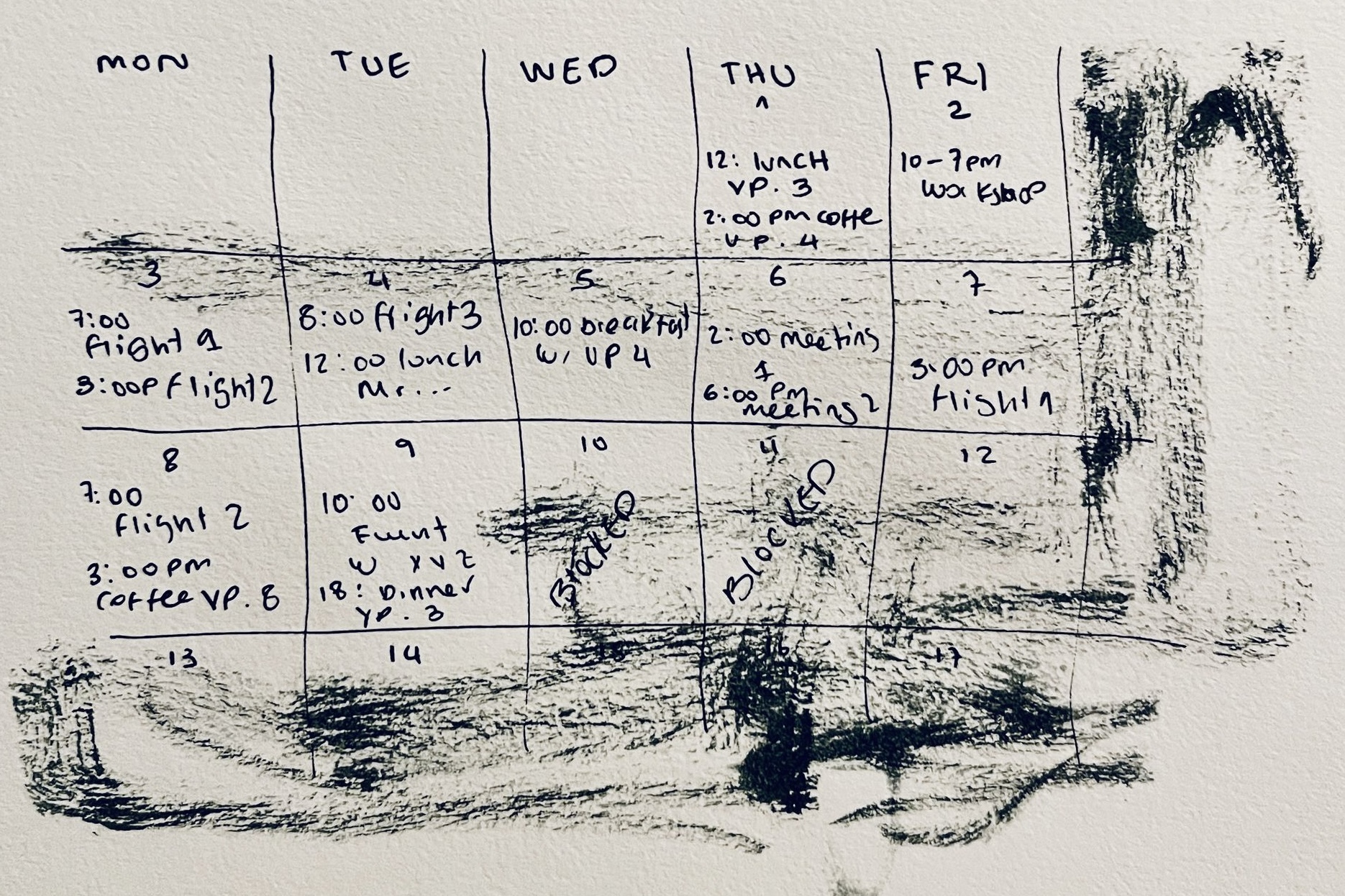
I didn’t notice burnout creeping in. It was a slow erosion of the joy I used to feel. I found myself numb during moments when we should’ve been celebrating. The calendar filled with meetings, and the real work shifted to late nights.
My health deteriorated. I gained more than 30 pounds. Some nights, I genuinely thought I might be on the verge of a heart attack. My body was waving red flags, but I was too buried in politics, execution, and expectations to see it.
Still, I kept going. Not out of ego, but because I didn’t want to let my team down. The challenge has always been how to become replaceable — to enable scale, to empower others, to move on to the next challenge. I’ve never chased credit, just progress.
Eventually, my creativity dulled. My journal turned hollow. That’s when I knew something had to change.
Rebuilding
Recovery wasn’t about quitting — it was about rebalancing. I started carving out time for hands-on work again, not out of obligation, but because I missed it. I reconnected with the joy of building.
I also committed to being more present. I made time for my wife, my kids, my friends — even my cats. I practiced being there for the people who had been there for me all along.
I got serious about my health. I tracked what I ate, upped my protein, cut the occasional drink. I started powerlifting — and I love it. It’s technical, it’s challenging, and most importantly, it’s something I get to learn and do alongside others.
Through it all, I reconnected with the parts of me that aren’t tied to any role or title. The human underneath the engineer.
Where I Am Now
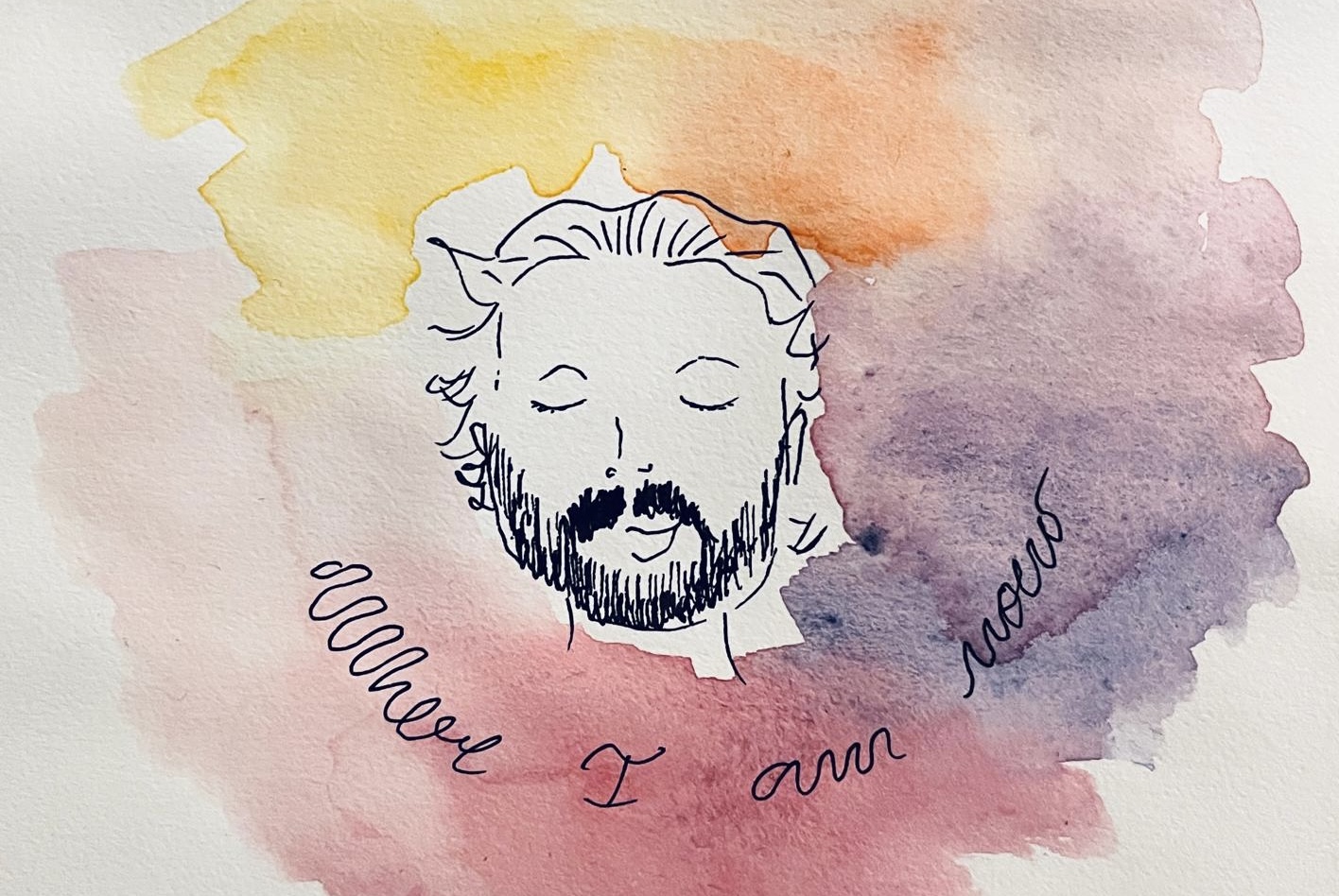
I still lead. I still build. Product delivery is in my DNA. But I now focus on multiplying value — not just through my own hands, but through the force multipliers around me: open source communities, industry partners, cross-functional allies, and of course, my own team.
I’ve learned how to stay passionate without letting attachment take over. I give everything I have to the work, but I no longer let my sense of worth ride on its outcome. I love my projects — deeply — but just like my kids, I want them to grow up and live their own lives.
I lean heavily on my support network — not just my peers and teammates, but also the leadership around me: directors, VPs, people I’ve built trust with over years. Those relationships are more than just strategic — they’re how I stay grounded and feel supported.
And yes, I still work hard. Too hard, by some standards. Maybe still unsustainably at times. But this is who I am. I’ve learned to shape my life around that intensity, to make it sustainable — because this isn’t a sprint — it’s a marathon.
To all the engineers and leaders out there: your path matters. Leadership can be isolating — that’s just part of the deal sometimes. But it’s worth trying to stay connected. Keep building bridges. Lean on your people. Ask for help when you need it. And above all, keep perspective.
Stay sharp. Stay human.